Study in Denmark 2026: Complete Guide for International Students
Denmark offers free tuition for EU students and paid SU grants for working students. Experience hygge while studying at world-class universities.
Study in Denmark 2026: Complete Guide for International Students
Denmark combines academic excellence with the world's happiest population, innovative design, and the famous concept of hygge.
Why Study in Denmark?
Free Tuition (EU/EEA)
EU/EEA students pay no tuition and can even receive SU (state education support) if working part-time.
The SU System
Students working 10-12 hours/week can receive ~DKK 6,500/month from the government—a unique benefit.
Innovation Hub
Home to Novo Nordisk, Maersk, LEGO, and a thriving startup scene. Strong connections between academia and industry.
Happiness and Hygge
Consistently ranked world's happiest country. Experience the cozy Danish lifestyle.
English Proficiency
Nearly everyone speaks excellent English. Easy daily life without Danish.
Top Universities
University of Copenhagen
- Ranking: Top 100 globally
- Founded: 1479
- Strengths: Sciences, medicine, humanities
- Size: Largest in Scandinavia
Technical University of Denmark (DTU)
- Ranking: Top 100 for engineering
- Strengths: Engineering, technology, sciences
- Research: World-class facilities
Aarhus University
- Ranking: Top 100 globally
- Location: Denmark's second city
- Strengths: Research-intensive, comprehensive
Copenhagen Business School (CBS)
- Ranking: Top European business school
- Size: One of Europe's largest business schools
- Focus: Business, economics, languages
Aalborg University
- Specialty: Problem-based learning (PBL)
- Strengths: Engineering, IT, social sciences
- Approach: Industry-oriented projects
Roskilde University (RUC)
- Approach: Interdisciplinary, project-based
- Strengths: Social sciences, humanities
- Location: Near Copenhagen
Tuition Fees
EU/EEA Students
- Tuition: FREE
- Plus: Eligible for SU if working
Non-EU Students
| Level | Annual Fees (DKK) |
|---|---|
| Bachelor's | 45,000-120,000 |
| Master's | 50,000-150,000 |
| MBA | 150,000-400,000 |
DKK 1 ≈ €0.13 or $0.14
SU - State Education Support
What is SU?
Monthly grant from Danish government for students.
Eligibility
- EU/EEA citizens working 10-12 hours/week
- Or non-EU with certain residence permits
- Full-time enrollment required
Amount
- Approximately DKK 6,500/month
- Additional loans available
- Significantly reduces living costs
Cost of Living
Monthly Expenses (DKK)
| Category | Copenhagen | Other Cities |
|---|---|---|
| Accommodation | 5,000-8,000 | 3,500-5,500 |
| Food | 2,000-3,000 | 1,800-2,500 |
| Transport | 400-700 | 300-500 |
| Phone | 150-250 | 150-250 |
| Personal | 1,500-2,500 | 1,000-2,000 |
| Total | 9,050-14,450 | 6,750-10,750 |
Accommodation
- University dorms: DKK 3,000-5,000/month
- Kollegium (student housing): DKK 3,500-5,500/month
- Shared apartment: DKK 4,000-6,000/month
- Private rental: DKK 7,000-12,000/month
Apply for housing immediately—Copenhagen has a shortage!
Student Visa Requirements
Residence Permit
Non-EU students need a residence permit for studies.
Requirements
- Acceptance at Danish institution
- Proof of funds (DKK 6,397/month)
- Valid passport
- Tuition paid
- Health insurance (if not covered by institution)
Application
- Apply online at nyidanmark.dk
- Biometrics at embassy or VFS center
- Processing: 2-3 months
- Fee: DKK 2,000-2,500
Working Rights
- Can work unlimited hours alongside studies
- No separate work permit needed
Scholarships
Danish Government Scholarships
- For specific countries with bilateral agreements
- Covers tuition + monthly stipend
- Apply through Danish institution
University Scholarships
- Copenhagen University Excellence: Tuition waiver + stipend
- DTU Scholarships: Various options
- CBS Scholarships: Merit-based tuition waivers
- Aarhus University: Various scholarships
Other Funding
- Home country scholarships
- Erasmus+ for EU students
- Nordic scholarships for Nordic citizens
Academic System
ECTS Credits
- Full-time: 30 ECTS/semester
- Bachelor's: 180 ECTS (3 years)
- Master's: 120 ECTS (2 years)
Grading Scale (7-point)
| Grade | ECTS Equivalent | Meaning |
|---|---|---|
| 12 | A | Excellent |
| 10 | B | Very Good |
| 7 | C | Good |
| 4 | D | Fair |
| 02 | E | Adequate |
| 00 | Fx | Inadequate |
| -3 | F | Unacceptable |
Academic Style
- Interactive and discussion-based
- Group work common
- Critical thinking emphasized
- Less hierarchical than some countries
Academic Calendar
- Fall: September - January
- Spring: February - June
English Programs
Denmark offers 700+ English-taught programs:
- Especially at Master's level
- Bachelor's options growing
- No Danish required for study
Application
- Through individual universities
- Or optagelse.dk (for some programs)
- Deadline: March 15 for fall start
Student Life
Danish Culture
- Hygge: Cozy, comfortable atmosphere
- Work-life balance: Very important
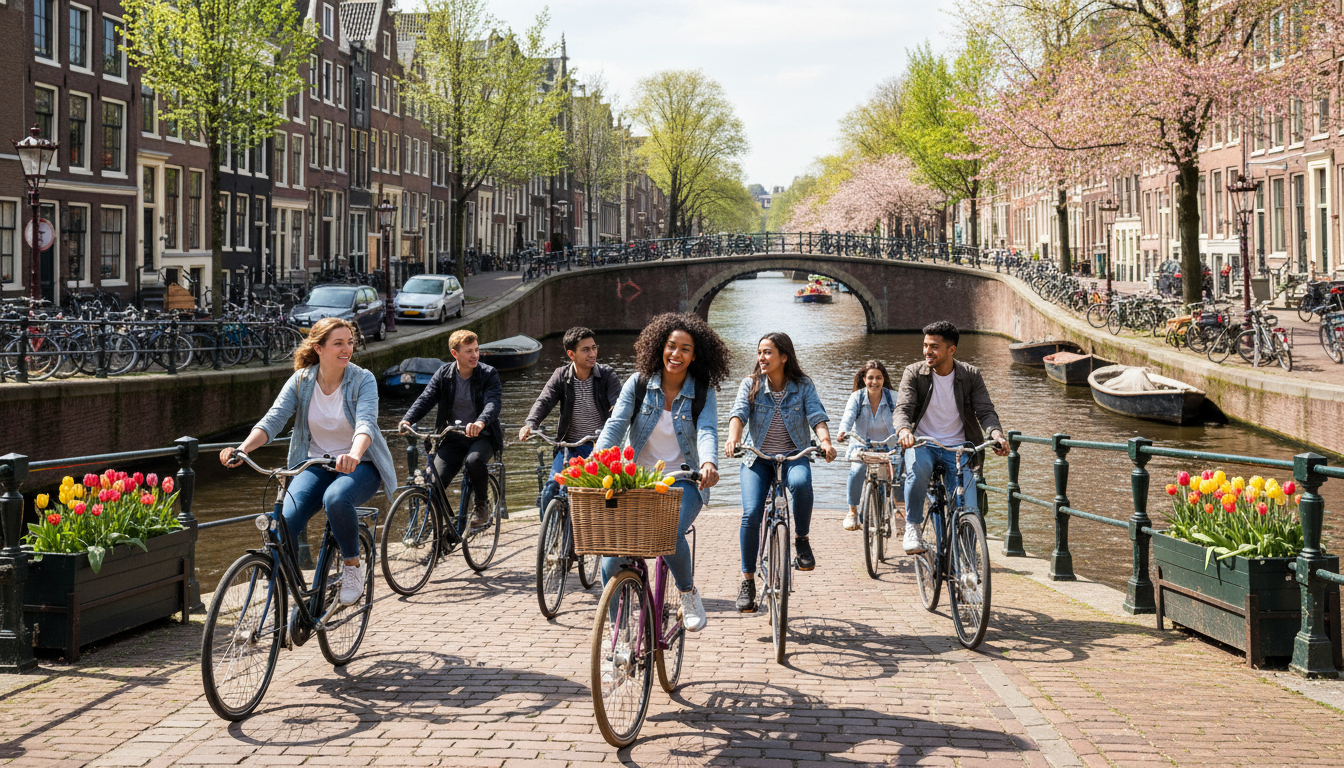
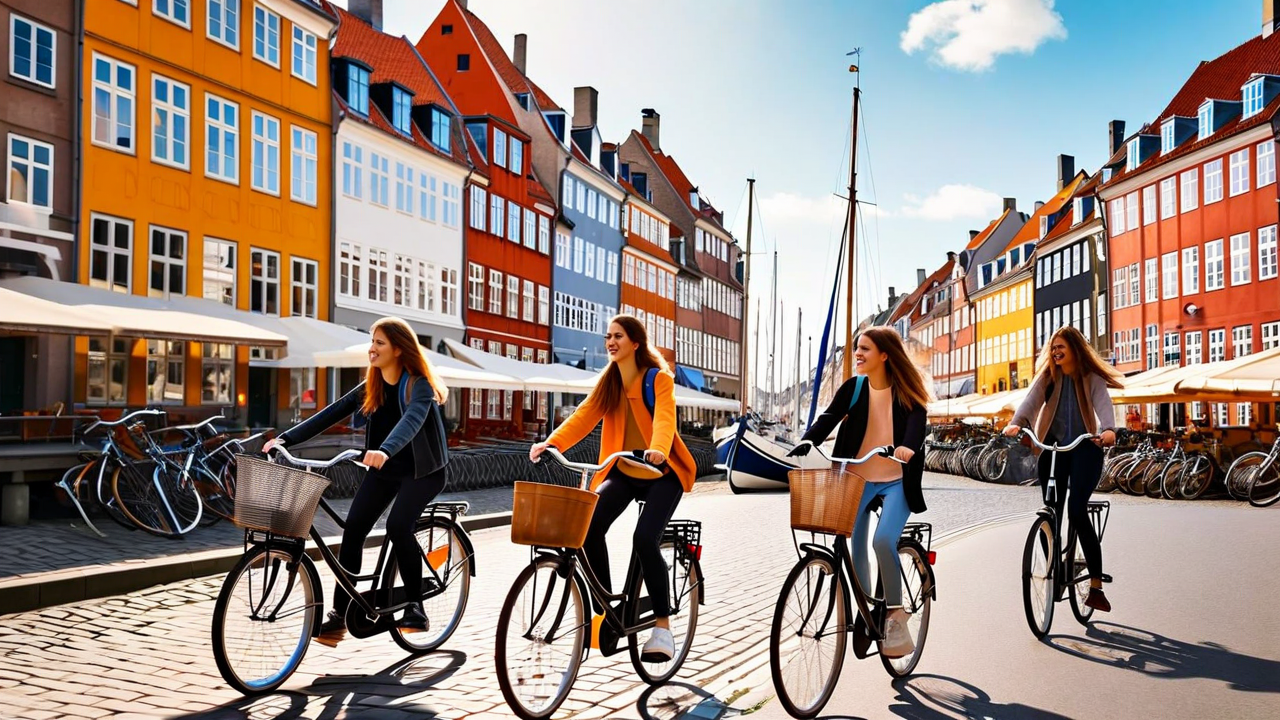
- Cycling culture: Everyone cycles
- Casual hierarchy: First-name basis common
- Direct communication: Danes are straightforward
Social Life
- Friday bars: Weekly social events at universities
- Student associations: Many clubs and groups
- International student events: Regular activities
- Café culture: Popular meeting spots
Activities
- Cycling everywhere
- Beach trips (summer)
- Cultural events
- Easy travel to Sweden/Germany
- Tivoli and city attractions
Weather
- Mild but grey winters
- Cool summers (15-22°C)
- Rainy and windy often
- Dark in winter (few daylight hours)
Cities for Students
- Copenhagen: Capital, expensive, vibrant
- Aarhus: Second city, student-friendly
- Aalborg: Northern, affordable
- Odense: Central, growing
Working While Studying
During Studies
- EU students: Unlimited
- Non-EU with residence permit: Unlimited
- Required for SU eligibility (EU): 10-12 hours/week
Typical Jobs
- Café and restaurant work
- Retail
- Office assistance
- Tutoring
- Research assistantships
Wages
- No minimum wage (set by unions)
- Typical student jobs: DKK 130-180/hour
Post-Graduation
Job Seeking Period
- 6-month establishment permit after graduation
- Can work any job while searching
Work Permits
- Positive list for shortage occupations
- Pay limit scheme (DKK 465,000+/year)
- Fast-track for certain qualifications
Path to Residence
- After 4 years of work/education
- Points system for permanent residence
Industries
- Pharmaceuticals (Novo Nordisk)
- Shipping (Maersk)
- Clean energy
- Design and architecture
- IT and startups
Application Tips
Timeline
- 12+ months before: Research programs
- December-March: Apply to universities
- April-May: Receive offers
- May-June: Apply for residence permit
- August: Arrive and settle
Tips
- Apply for housing immediately: Major shortage
- Get CPR number on arrival: Central to everything
- Open Danish bank account: Needed for SU and daily life
- Get a bicycle: Essential Danish life
- Embrace the weather: Good rain gear is investment
Challenges to Consider
Housing Crisis
- Copenhagen especially difficult
- Start searching before acceptance
- Consider suburbs or nearby cities
- Kollegium waiting lists are long
Cost of Living
- One of world's most expensive countries
- Alcohol particularly pricey
- SU helps significantly if eligible
Weather
- Grey and rainy
- Dark winters (challenging)
- Requires adjustment
Making Danish Friends
- Danes can seem reserved
- Work and study friendships develop slowly
- Student organizations help
- Persistence pays off
Conclusion
Denmark offers exceptional education combined with one of the world's highest qualities of life. The SU system makes it uniquely attractive for EU students, while non-EU students benefit from extensive English programs and post-study work options.
From the innovative academic environment to the hygge lifestyle, studying in Denmark provides both excellent education and a transformative cultural experience.