Study in Canada 2026: Universities, Immigration, Costs & Complete Guide
Canada offers world-class education with clear pathways to immigration. Learn about top universities, costs, study permits, and how to build your future in Canada as an international student.
Study in Canada 2026: Complete Guide for International Students
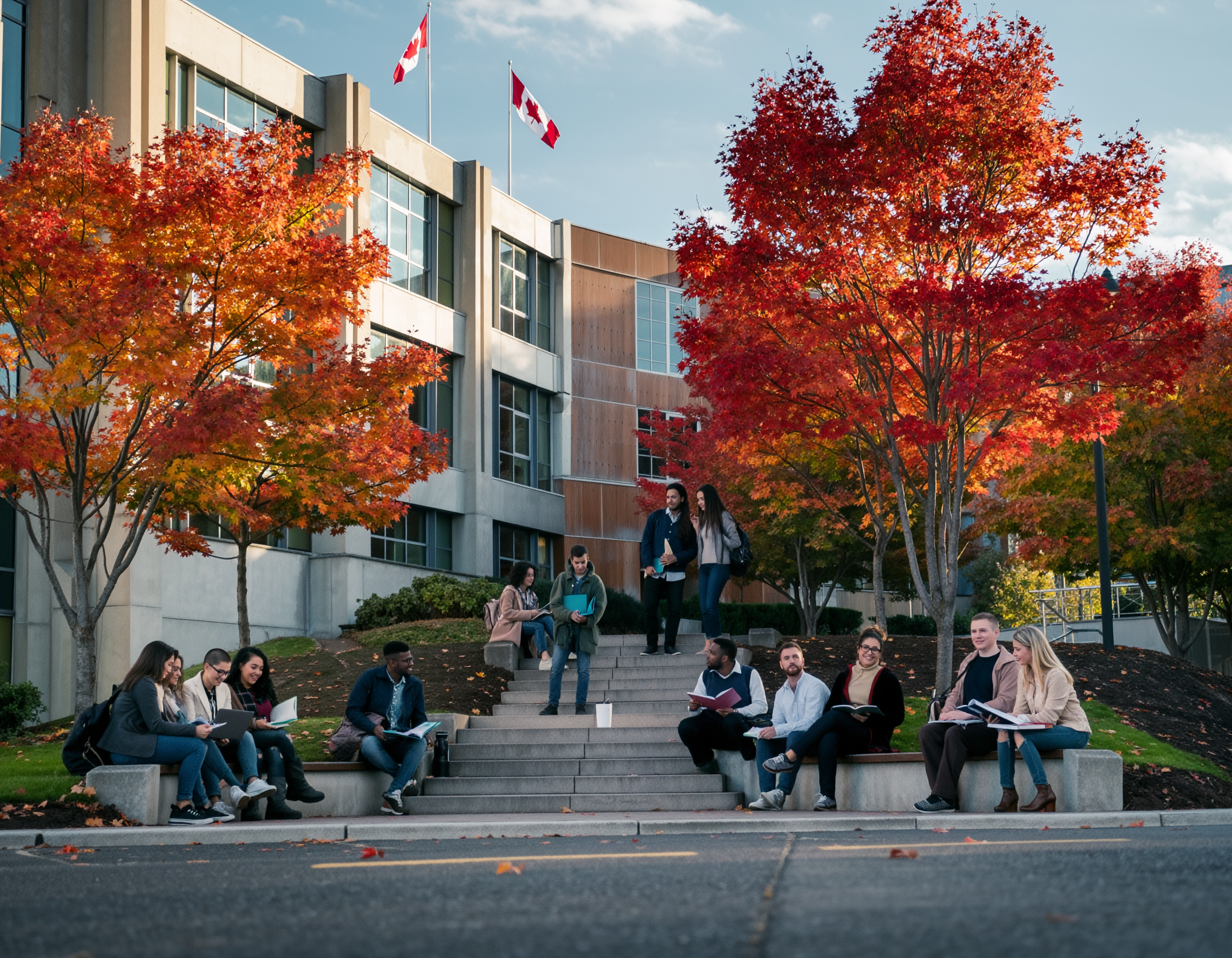
Canada has become one of the world's most popular study destinations, attracting over 800,000 international students. Its combination of quality education, multicultural society, and immigration-friendly policies makes it an attractive choice for students worldwide.
Why Choose Canada?
Quality Education at Lower Costs
Canadian universities are globally recognized, with lower tuition than the US or UK. Many programs offer co-op (work-integrated learning) opportunities.
Immigration Pathways
Canada actively welcomes international students as future permanent residents through programs like:
- Post-Graduation Work Permit (PGWP): Work for up to 3 years after graduation
- Express Entry: Earn points for Canadian education
- Provincial Nominee Programs: Additional immigration pathways
Safety and Quality of Life
Canada consistently ranks among the world's safest and most livable countries, with excellent healthcare and social services.
Multicultural Society
As one of the world's most diverse countries, you'll feel welcome regardless of your background.
Top Canadian Universities
U15 Group - Research Universities
| University | QS Ranking | Known For |
|---|---|---|
| University of Toronto | #21 | Research, Business, Medicine |
| McGill University | #30 | Medicine, Arts, Law |
| University of British Columbia | #34 | Sciences, Forestry, Business |
| University of Alberta | #96 | Engineering, Oil & Gas |
| University of Waterloo | #112 | Tech, Co-op Programs |
Excellent Alternatives
- Simon Fraser University - Communications, Criminology
- University of Victoria - Environmental Studies, Ocean Sciences
- Carleton University - Journalism, Public Affairs
- Ryerson University - Media, Business
Tuition Fees and Costs
Tuition for International Students (2025-26)
| Level | Annual Range (CAD) |
|---|---|
| Undergraduate | $20,000 - $55,000 |
| Master's | $15,000 - $50,000 |
| MBA | $30,000 - $120,000 |
| PhD | Often funded |
Note: Tuition varies significantly by province and program. Quebec offers lower tuition for some programs.
Living Costs by City
| City | Monthly Cost (CAD) |
|---|---|
| Toronto | $1,800 - $2,500 |
| Vancouver | $1,700 - $2,400 |
| Montreal | $1,200 - $1,700 |
| Calgary | $1,300 - $1,800 |
| Ottawa | $1,400 - $1,900 |
Budget Tip: Smaller cities like Halifax, Winnipeg, or Saskatoon offer excellent education at much lower living costs.
Study Permit Requirements
Basic Requirements
To obtain a Canadian study permit:
- Letter of Acceptance from a Designated Learning Institution (DLI)
- Proof of Financial Support:
- First year's tuition
- $20,635 CAD for living expenses (outside Quebec)
- Return transportation
- Clean criminal record (police certificate)
- Medical exam (if required)
- Statement of purpose
Study Permit Timeline
- Online application: 4-8 weeks processing
- Paper application: 8-16 weeks
- Student Direct Stream (SDS): 20 days for eligible countries
SDS Eligible Countries
India, China, Philippines, Pakistan, Vietnam, Morocco, Senegal, and more qualify for faster processing through SDS.
Application Process
Undergraduate Admissions
Most provinces have centralized application systems:
- Ontario: Ontario Universities' Application Centre (OUAC)
- British Columbia: EducationPlannerBC
- Other provinces: Direct to universities
Key Deadlines:
- January-March for September intake
- Some universities accept rolling applications
Graduate Admissions
Apply directly to universities:
- Research programs and supervisors (crucial for PhD)
- Prepare documents: Transcripts, GRE/GMAT (if required), references
- Write statements: Research proposal, statement of intent
- Submit applications: October-February for September start
- Await decisions: March-May
English/French Language Requirements
English Programs
- IELTS Academic: 6.0-7.0 overall
- TOEFL iBT: 80-100
- Duolingo: 105-125 (accepted by many institutions)
- PTE Academic: 60-70
French Programs (Quebec)
- TEF/TCF: B2 level typically required
- Many Quebec programs offer English tracks
Scholarships and Funding
Government Scholarships
- Vanier Canada Graduate Scholarships: $50,000/year for PhD
- Canada Graduate Scholarships: For master's and doctoral students
- Banting Postdoctoral Fellowships: $70,000/year
University Scholarships
- University of Toronto: Lester B. Pearson International Scholarships (full funding)
- UBC: International Major Entrance Scholarship ($20,000-80,000)
- McGill: Entrance scholarships for top applicants
- University of Waterloo: President's Scholarship ($20,000+)
External Funding
- Aga Khan Foundation
- Mastercard Foundation Scholars Program
- Your home country scholarships
Working While Studying
Work Rights
Study permit holders can work:
- On-campus: Unlimited hours
- Off-campus: 20 hours/week during sessions
- Full-time: During scheduled breaks
- Co-op/internship: If part of program
Minimum Wage (2026)
- Ontario: $16.55/hour
- British Columbia: $17.40/hour
- Alberta: $15.00/hour
- Quebec: $15.75/hour
Post-Graduation Work Permit (PGWP)
PGWP Duration
- 8 months - 2 years study: PGWP equal to program length
- 2+ years study: 3-year PGWP
- Master's (16+ months): 3-year PGWP
PGWP Benefits
- Open work permit: Work for any employer
- Canadian experience: Valuable for immigration
- No job offer needed: Apply right after graduation
Pathway to Permanent Residence
Express Entry
Canadian graduates earn points for:
- Canadian education: 15-30 points
- Canadian work experience: Additional points
- Language skills: IELTS/CELPIP scores
- Age, education, adaptability
Provincial Nominee Programs (PNPs)
Each province has streams for international graduates:
- Ontario: OINP Masters and PhD streams
- BC: BC PNP International Graduate stream
- Alberta: Alberta Opportunity Stream
Average PR Timeline
- 6-18 months after PGWP application
- Many students achieve PR within 2-3 years of graduation
Accommodation Options
On-Campus Residence
- First-year students often guaranteed
- Cost: $8,000-15,000/year
- Includes meal plans at many schools
Off-Campus Housing
- Shared apartments: $600-1,200/month
- Basement apartments: $800-1,500/month
- Purpose-built student housing: $1,000-2,000/month
Tips for Finding Housing
- Start searching 3-4 months early
- Use university housing boards
- Join Facebook groups for student housing
- Consider homestay for first semester
Student Life in Canada
Weather Preparation
- Winter: -10°C to -30°C (invest in good winter gear!)
- Summer: 20°C to 30°C
- Indoor spaces are well-heated
Healthcare
- Provincial health insurance available in most provinces
- Ontario has 3-month waiting period (get private insurance)
- BC and Alberta provide coverage from day one
Banking
- Open a student bank account (free at most banks)
- Build Canadian credit history
- Get a secured credit card
Tips for Success
- Apply to multiple universities: Acceptance isn't guaranteed
- Start early: Study permit processing takes time
- Build connections: Network with professors and classmates
- Gain work experience: Co-op and internships are valuable
- Plan for immigration: Understand pathways early
Ready to Start Your Canadian Journey?
Canada offers the unique combination of quality education and immigration opportunities. Whether you're seeking a prestigious degree or a pathway to building your life in Canada, there's a program for you.
Browse Canadian Universities | Chat with an Advisor
Last updated: February 2026